


Who this Qualification Suits
Who this Qualification Suits
You may already work in disability support, or you may be moving up from Cert III. This course suits people who guide others on shift.If you aim for senior shifts, rostering input, or care coordination, this is a good fit. Many providers expect Cert IV for support coordination or team lead roles, and this course helps you prepare for those duties.Typical goals include:




How Blended Learning Works
How Blended Learning Works
Study the theory on a phone or computer, then come in to practise and be assessed. You can pause and come back without losing your place – and you see time guides for each part.
Workshops focus on scenarios, paperwork, and decision-making, and trainers keep groups small so you can try things more than once and get feedback.
Evening and weekend options appear in the calendar, and dates and venues are listed up-front so you can plan early.
RTO Status and Standards
Skillmate is a Registered Training Organisation. Each unit and qualification lists the official code and assessment is fair and timely, following transparent guidelines.
How Blended Learning Works
How Blended Learning Works
Study the theory on a phone or computer, then come in to practise and be assessed. You can pause and come back without losing your place – and you see time guides for each part.
Workshops focus on scenarios, paperwork, and decision-making, and trainers keep groups small so you can try things more than once and get feedback.
Evening and weekend options appear in the calendar, and dates and venues are listed up-front so you can plan early.
What you will Learn
What you will Learn
You learn how to manage complex needs, check risk, and have calm leadership on shift. Content stays practical and plain so you know what to do and why it matters.
You see a demo first, then you practise with coaching until the steps feel natural. By the end, you can explain each step and show it with good form.
Units and Focus Areas
Units and Focus Areas






Units and Focus Areas
Units and Focus Areas
Units and Focus Areas
Units and Focus Areas
Extras Included
Two short add-ons are included at no extra charge, and they fit neatly around your course time.


Work Placement
Work Placement
This qualification includes placement in real service – you will need to complete the minimum hours set by the training package.
Exact hours and site details are confirmed before you start, and you get a checklist that helps you prepare.
A mentor signs off tasks as you complete them, and you get tips on notes, shift flow, and handovers.
Skillmate works with providers who offer placement spots, and help is given with applications and readiness. Placement cannot be guaranteed, but you will not be left to sort it alone.
Course Format and Timing
Theory runs through blended learning, and workshops run face-to-face in small groups.
Sessions run on set dates in various locations across Australia, and you can pick evenings or weekends where listed.
Each stage has a time guide so you can plan study blocks, and reminders help you to keep pace. You will always know what to bring and what you will do on the day.

Assessment and Certification
Assessment includes short knowledge checks, observed practice, and workplace tasks during placement.
When you meet the standard, you receive the:
CHC43121 Certificate IV In Disability Support
Trainer feedback happens quickly so you can close any gaps, and re-attempts are explained step by step. Your statement is issued once records are verified.

Entry and Fitness to Train
You should be able to read, write, and speak English for study and workplace tasks.
Placement sites may ask for checks or records, which can include a police check, NDIS Worker Screening, vaccinations, or First Aid.
Details are shared early so you can prepare, and links are provided if you need help. Tell the team about any learning needs or access needs so adjustments can be planned to support you.
What to Bring to Workshops
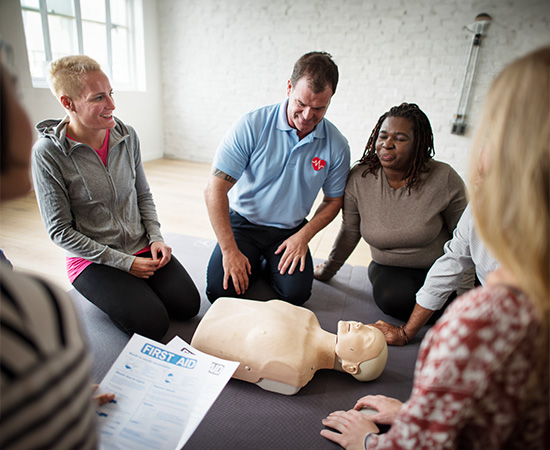
You will get venue and access details with your booking – arriving ten minutes early helps the day run smoothly.
Wear closed shoes and comfortable clothing so you can move and lift safely, and bring a water bottle. If you use reading glasses, pack them so you can complete any written tasks.
Bring:
What to Bring to Workshops
You will get venue and access details with your booking – arriving ten minutes early helps the day run smoothly.
Wear closed shoes and comfortable clothing so you can move and lift safely, and bring a water bottle. If you use reading glasses, pack them so you can complete any written tasks.
What to Bring to Workshops
You will get venue and access details with your booking – arriving ten minutes early helps the day run smoothly.
Wear closed shoes and comfortable clothing so you can move and lift safely, and bring a water bottle. If you use reading glasses, pack them so you can complete any written tasks.
Bring:
How to Enrol
How to Enrol
Choose a date and location, then complete the quick enrolment form. Your confirmation email shows the next steps, and if you have a question, just get in touch.
Payment options are shown at checkout, and receipts arrive right away. If you need help with the USI, simple guidance is provided, and links are included in the email.



 16 Second Ave