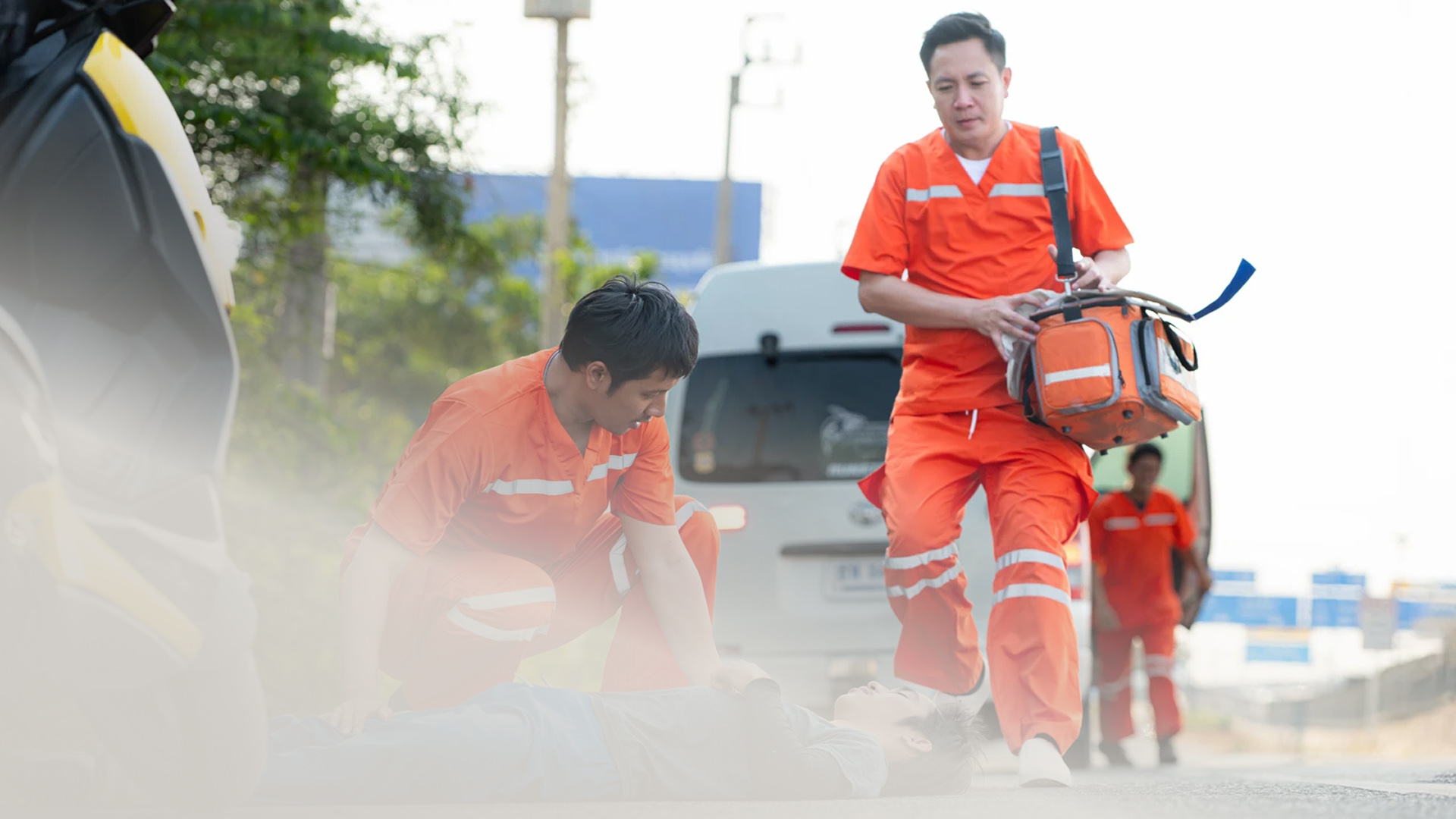
Who Should Take this Basic Emergency Life Support Course?

Who Should Take this Basic Emergency Life Support Course?

Who Should Take this Basic Emergency Life Support Course?

This course suits new career starters who want a solid knowledge base, and it helps staff who need a current unit and a timely refresh.It is valuable for people who may be first on scene at home, at work, or in the community – and it fits roles where fast first steps keep people safe.

How The Blended Learning Model Runs

How the Blended Learning Model Runs

How the Blended Learning Model Runs

You study on a phone or a computer, and you then attend a short, hands-on session where you practise skills and show what you know.

You move at your own pace before class, and then you lock in the skills with guided practice drills so the steps feel natural.

RTO Registration and Assessment Standards

Skillmate is a Registered Training Organisation, and each unit lists the official code and standard methods of assessment.

Trainers follow clear rules and stick to reasonable timeframes. Feedback is plain and quick. Your result is recorded based on national standards, and your statement is issued once all checks are done.
RTO Logo

RTO Registration and Assessment Standards

Skillmate is a Registered Training Organisation, and each unit lists the official code and standard methods of assessment.

Trainers follow clear rules and stick to reasonable timeframes. Feedback is plain and quick. Your result is recorded based on national standards, and your statement is issued once all checks are done.

RTO Logo

RTO Registration and Assessment Standards

Skillmate is a Registered Training Organisation, and each unit lists the official code and standard methods of assessment.

Trainers follow clear rules and stick to reasonable timeframes. Feedback is plain and quick. Your result is recorded based on national standards, and your statement is issued once all checks are done.

RTO Logo

What you Practise and Prove on the day

What you Practise and Prove on the day

What you Practise and Prove on the day

You learn to scan a scene fast and act in a logical order of steps – learn what to do while help is on the way. You leave with calm words to use with bystanders, and with a simple checklist you can use when stress rises. You will cover:

DRSABCD And Calling For Help

DRSABCD and Calling for Help

Check danger, get a response, and call early for backup.

Basic Life Support And Airway Care

Basic Life Support and Airway Care

Open the airway, watch breathing, and place in recovery when safe.

CPR Basics And AED Use

CPR Basics and AED Use

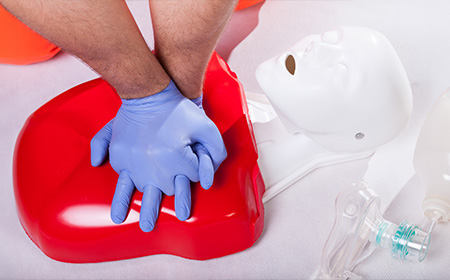
Start compressions, follow AED prompts, and rotate safely with others.

Breathing Problems

Breathing Problems

Spot signs of asthma or anaphylaxis, use common devices, and monitor closely.

Start your Course

Bleeding And Shock

Bleeding and Shock

Apply firm pressure, dress wounds, and watch for signs of shock.

Minor Trauma And Illness

Minor Trauma and Illness

Stabilise simple sprains and strains, and note red flags that need more care.

Infection Control And Scene Safety

Infection Control and Scene Safety

Use barriers, protect yourself, and keep the area safe until help arrives.

Handovers And Reporting

Handovers and Reporting

Share clear details with paramedics, and record what was done.

What You Practise and Prove on the day

What You Practise and Prove on the day

What You Practise and Prove on the day

You learn to scan a scene fast and act in a logical order of steps – learn what to do while help is on the way. You leave with calm words to use with bystanders, and with a simple checklist you can use when stress rises. You will cover:
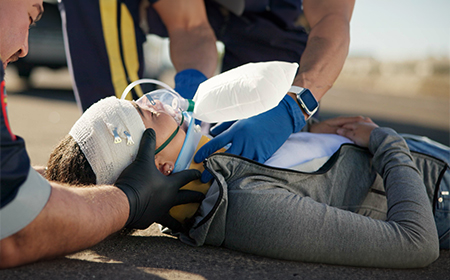
DRSABCD And Calling For Help

DRSABCD And Calling For Help

Check danger, get a response, and call early for backup.

Basic Life Support And Airway Care

Basic Life Support And Airway Care

Open the airway, watch breathing, and place in recovery when safe.

CPR Basics And AED Use

CPR Basics And AED Use

Start compressions, follow AED prompts, and rotate safely with others.

Breathing Problems

Breathing Problems

Spot signs of asthma or anaphylaxis, use common devices, and monitor closely.

Start your Course

Bleeding And Shock

Bleeding And Shock

Apply firm pressure, dress wounds, and watch for signs of shock.

Minor Trauma And Illness

Minor Trauma And Illness

Stabilise simple sprains and strains, and note red flags that need more care.

Infection Control And Scene Safety

Infection Control And Scene Safety

Use barriers, protect yourself, and keep the area safe until help arrives.

Handovers And Reporting

Handovers And Reporting

Share clear details with paramedics, and record what was done.

Timings, Venues, and What to Expect

Timings, Venues, and What to Expect

Sessions stay short and focused so you can fit them around work and family commitments. You see exactly how long each part takes before you commit.

Evening and weekend options are available to help with planning your week, and dates and venues are shown before you book.
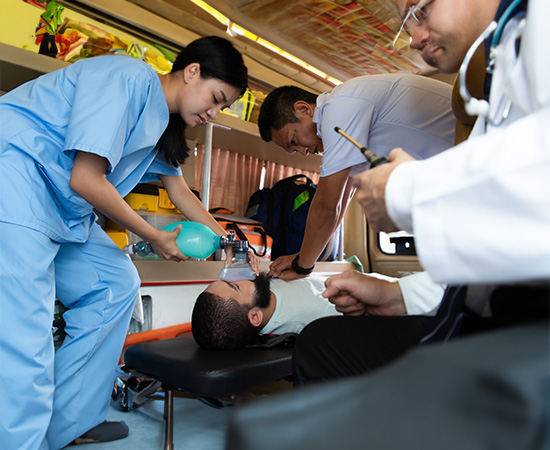
Your Assessment Steps And Certificate

Your Assessment Steps and Certificate

When you meet the standard, you receive:

Statement of Attainment: HLTAID010 Provide Basic Emergency Life Support.

Trainers give plain feedback on the day so you know where you stand. You will complete a short knowledge check, demonstrate basic life support, and show safe CPR and AED use.

Upcoming Sessions and Venue List

Practical days run in various locations across Australia and new sessions are added often. Venues sit near public transport where possible.

If you don’t see a nearby date, let us know! New spots open quicker where demand is strong.

Upcoming Sessions And Venue List

Course Entry and Physical Requirements

You need a USI (Unique Student Identifier) and remember to bring a photo ID.
The standard for assessment stays the same for everyone. You will need to kneel on the floor and perform chest compressions. Please tell the team before class if kneeling is hard for you.
Wear comfortable clothing and closed shoes, and bring any daily meds you may need. Simple adjustments are possible and may help you take part with confidence.
Bring These To Your Training Session

Bring These to your Training Session

Parking and access details are sent along with your booking email. Try to arrive 10 minutes early to sign in and get settled in time.

  • Photo ID and USI
  • A bottle of water
  • Any reading glasses you use
  • A light jumper for air-conditioned rooms

Basic Emergency Life Support for Teams and Large Groups

Basic Emergency Life Support for Teams and Large Groups

Need staff trained on the same day? Dates can be lined up around shutdowns or quiet periods.
A trainer can come to your location when the numbers suit. You’ll receive a clear quote and a simple plan. Send us a headcount and your location details and we can get started.

Pick a Date and Secure your Spot

Pick a Date and Secure your Spot

Choose a date and location. Your confirmation email includes the steps and links you need. If you have any questions, please reach out to us.

Payment options are shown at checkout, and receipts arrive right away. If you need help with the USI, simple guidance is provided, and links are included in the email.