
For someone learning first aid for the first time, it is easy to underestimate its impact. It can feel like just another course, another certificate, another box to tick. But in reality, not only is it very different, different from what we see on TV or movies. A well-structured first aid course can be the difference between panic and purpose when an emergency unfolds.
From households and schools to workplaces to public spaces, emergencies are rarely obvious in the first few moments. New learners often discover that first aid training is not about memorising steps. It is about learning how to think clearly under pressure, how to act safely and also, how to help another person in their most vulnerable and crucial moment. That is why, many new learners exploring first aid courses in Wollongong and beyond stand to benefit the most from this blog.
Why First Aid Training Has a Bigger Impact on New Learners
For beginners, first aid training often brings a shift in mindset. Before the training starts, many people assume emergencies are rare or that someone else will step in. However, after the first training session itself, they realise how often small, preventable incidents occur and how much control they actually have.
New learners get clarity on:
- How quickly a situation can escalate
- Why early response matters
- What not to do in an emergency
- How calm actions reduce harm
A first aid course introduces these concepts in a formal, structured way, allowing learners to absorb information without pressure. That foundation makes practical training far more useful during times of emergencies.
Learning Without Pressure Through Online First Aid Courses
One of the reasons online learning works so well for beginners is pacing. People learn at different speeds. Some need repetition. Others need time to reflect and maybe practice a little bit more.
With online theory modules, new learners can:
- Learn in short, focused sessions
- Revisit key topics like CPR or bleeding control
- Build understanding before hands-on practice
- Reduce anxiety before assessments
This approach removes the fear often associated with “medical-style learning” which could be daunting for anyone who isn’t from a medical field. It makes first aid feel approachable,doable, even for those with no prior experience.
From Theory to Action: Why Practical Skills Still Matter
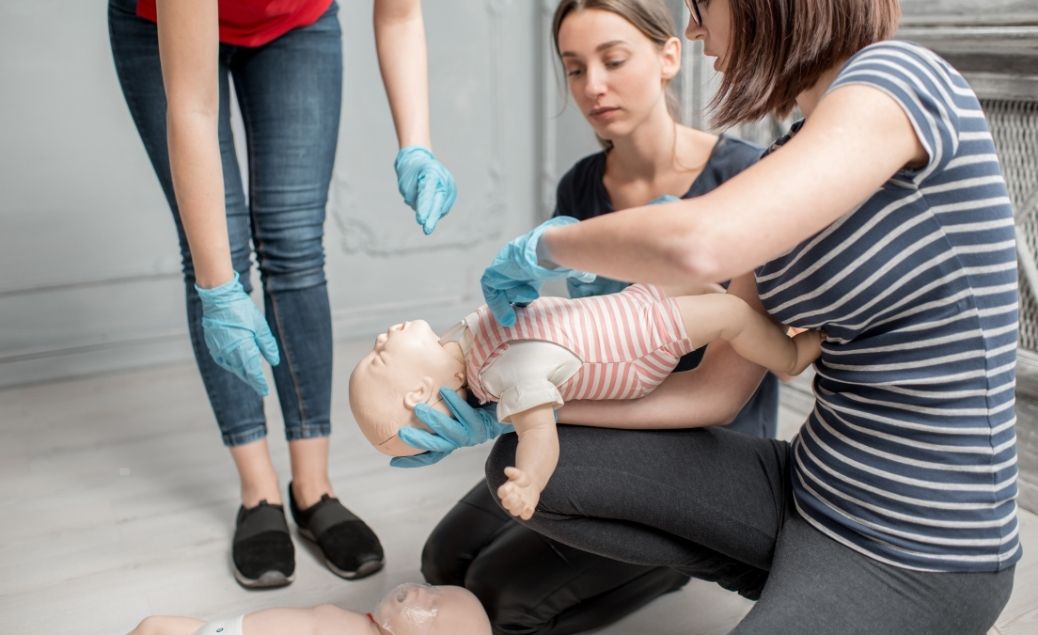
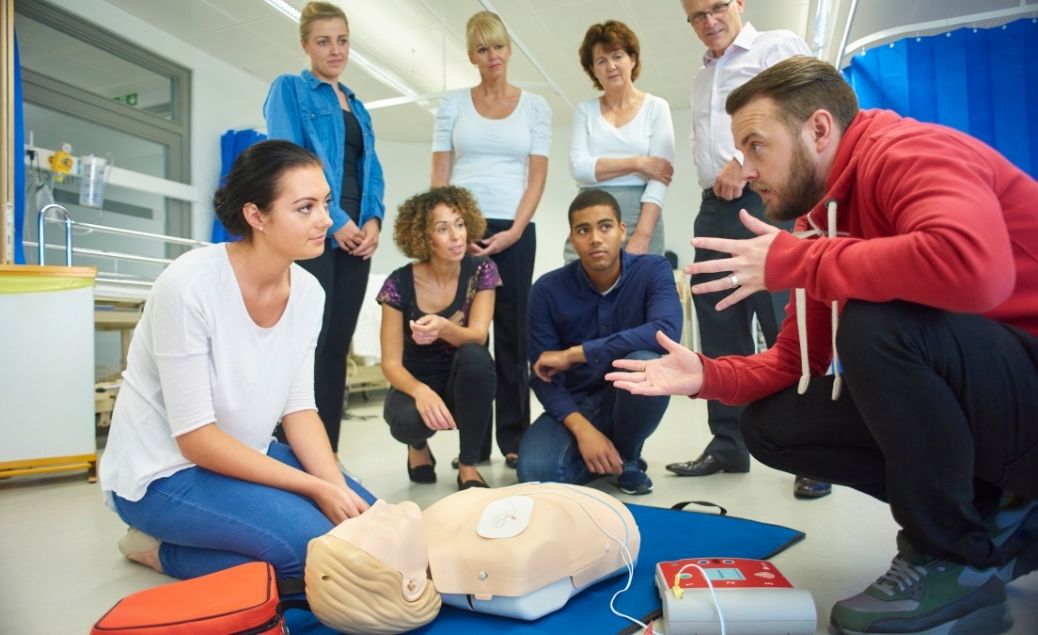
While theory builds understanding, first aid is ultimately a hands-on skill. Practical assessments allow learners to use the knowledge they learnt in training in a safe, supervised environment. It gives them the opportunity to ask questions, make mistakes, and become truly competent.
During training, beginners practise:
- Performing CPR with correct rhythm and depth
- Using an AED confidently
- Managing burns, fractures, and wounds
- Responding to choking and unconsciousness
For many new learners, this is the moment everything starts to click. What once felt abstract becomes practical and achievable. They stop feeling apprehensive and gain the capability to act promptly if or when the situation arises.
First Aid Knowledge Saves Lives in Everyday Situations
Not every lifesaving moment involves dramatic emergencies. Oftentimes, it is about everyday incidents handled correctly.
First aid training prepares learners for:
- Falls at home or work
- Allergic reactions
- Asthma attacks
- Heat exhaustion
- Minor injuries that could worsen without care
Understanding when to act and when to seek medical not only help prevents complications but also ensures that the person in need gets the necessary help on time. That knowledge alone can massively reduce risk.
Local Training and Community Relevance
For people living in specific regions, local training plays an important role. Many individuals mention that first aid courses Wollongong communities or other cities rely on are designed with real local needs in mind, including workplaces, schools, and coastal environments.
Local relevance makes sure that training feels practical rather than confusing. It also encourages more people to participate, strengthening overall community safety.
When Beginners Progress to Advanced Training
As confidence grows, some learners decide to get better at their skills. This is often the case for those taking on leadership roles or working in higher-risk environments.
People searching for an advanced first aid course near me are usually motivated by responsibility rather than requirement. Advanced training builds on foundational skills and introduces:
- Managing multiple casualties
- Extended care until emergency services arrive
- Advanced decision-making under pressure
- Clear communication during emergencies
For beginners who continue their learning journey, advanced training becomes a natural next step rather than an intimidating act.
Who Should Learn First Aid for the First Time?
First aid is not limited to any profession or age group. In fact, new learners come from all walks of life.
This training is especially valuable for:
- Parents and caregivers
- Teachers and childcare workers
- Hospitality and retail staff
- Construction and trade workers
- Community volunteers
A first aid course allows people to start learning regardless of background, experience, or schedule.
Keeping Skills Current and Relevant
First aid guidelines change over time. Techniques evolve. Equipment improves. That is why regular refreshers are essential.
For new learners, refresher training helps:
- Reinforce correct techniques
- Build confidence through repetition
- Stay aligned with national standards
- Maintain workplace compliance
Whether completed online or in person, ongoing training ensures skills remain reliable when needed.
How Skillmate Supports New Learners
Skillmate focuses on making first aid training clear, supportive and practical. Courses are structured to guide beginners step by step, without overwhelming them.
What new learners value most is:
- Straightforward explanations
- Flexible learning options
- Nationally recognised qualifications
- Trainers who encourage questions and understanding
Whether starting with a first aid course or progressing toward more advanced skills, learners are supported and encouraged to be proactive throughout the process.
The Real Value of First Aid Training for Beginners
The true value of first aid training is not the certificate. It is the moment when training turns into action.
New learners often say they feel:
- More prepared
- Less fearful of emergencies
- More aware of safety risks
- More capable of helping others
Even basic training creates a ripple effect. One trained person can make a difference not only for a casualty, but for everyone around them.
Learning first aid for the first time is a powerful step. It transforms uncertainty into readiness and hesitation into action.
A first aid course offers new learners a flexible, accessible way to build lifesaving skills. Whether training locally, refreshing knowledge, or eventually exploring advanced options, the journey always begins with that first decision to learn.
And that decision can truly save a life. If this article has convinced you to consider taking a lifesaving first aid course for beginners, get in touch with Skillmate Education Group today.
FAQs
1. What will I learn in a first aid course as a complete beginner?
A beginner-friendly first aid course teaches you how to recognise emergencies, respond safely, perform CPR, use an AED, and manage injuries like burns, bleeding, and fractures. The goal is to help new learners build confidence and stay calm when every second counts.
2. Are there first aid courses Wollongong residents find suitable for workplace requirements?
Absolutely. Many providers offer first aid courses Wollongong businesses and community groups rely on for compliance and safety training. These courses follow Australian standards, making them ideal for teachers, tradies, hospitality staff, and community volunteers.
3. Who should consider an advanced first aid course near me?
People often explore an advanced first aid course near me when they take on roles that require deeper emergency preparedness. This includes supervisors, first aid officers, childcare leaders, security personnel, and anyone responsible for coordinating responses in higher-risk environments.