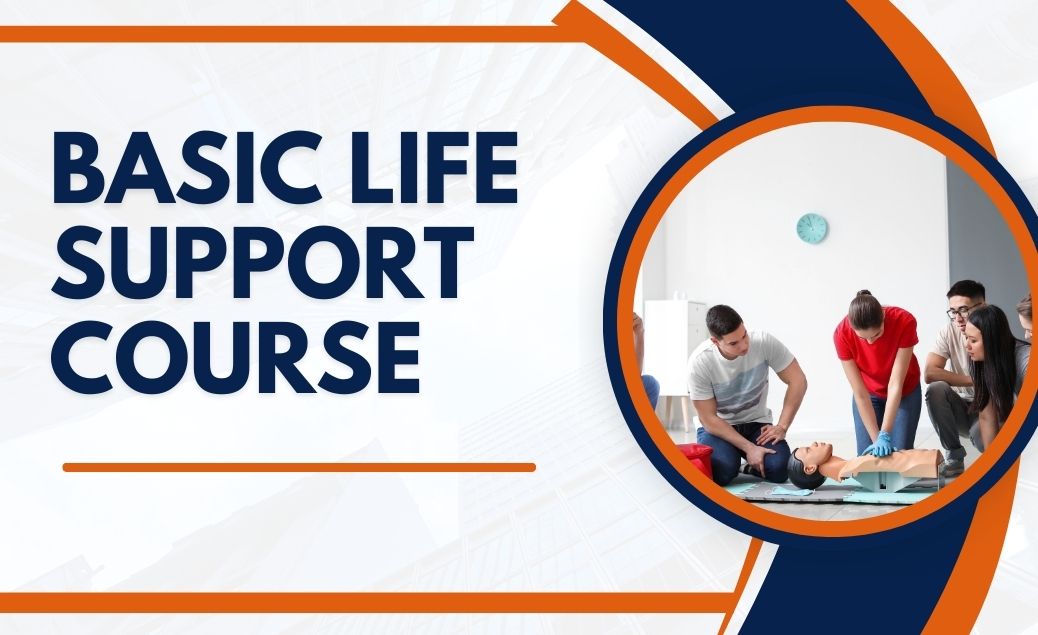
In moments of crisis, knowing what to do isn’t just helpful, it can be life-saving. A Basic Life Support Course equips you with simple, practical skills that empower you to act confidently when seconds count. In this article, you’ll learn what the HLTAID010 Provide Basic Emergency Life Support course covers, why it matters in everyday emergencies and workplaces, how the training is structured, and the real difference it makes when someone needs help right away. We’ll also unpack the course format at Skillmate, the core skills you’ll gain, and answer your most common questions. Let’s see these in detail.
What is a Basic Life Support Course?
A Basic Life Support Course focuses on teaching essential emergency responses before professional help arrives. It’s about quick thinking, calm action and clear steps that can save lives. In Australia, this training is formalised under the HLTAID010 Provide Basic Emergency Life Support unit, and it aligns with national first-aid and resuscitation guidelines.
In simple terms, you learn:
- How to assess an emergency situation.
- Basic life support techniques like CPR and airway management.
- Initial responses to common life-threatening conditions.
This course is practical and accessible for beginners, as well as a valuable refresh for people who may encounter emergencies at work, at home, or in public.
Why Every Second Counts in an Emergency
Sudden medical situations such as cardiac arrest, choking, or severe bleeding can escalate within minutes. Immediate action can mean the difference between recovery and irreversible harm. Basic life support lays out a proven approach to stabilising a person until ambulance services arrive.
A few simple steps include:
- Checking for danger and responsiveness.
- Calling emergency services without delay.
- Starting CPR and using an AED if available.
These actions support what’s known as the “chain of survival” early recognition, early CPR, early defibrillation, and early advanced care which boosts the chances of survival significantly.
What HLTAID010 Provide Basic Emergency Life Support Covers
Skillmate’s HLTAID010 Provide Basic Emergency Life Support course is designed to take you from zero experience to capable responder.
Key modules include:
- DRSABCD Action Plan:
Recognise danger, check responsiveness, call for help, start airway checks, breathing assessment, and CPR all in a clear order. - Airway and Breathing Support:
Opening airways safely and recognising normal versus abnormal breathing. - CPR and AED Use:
Performing effective chest compressions and using an automated external defibrillator (AED). - Recognising Life-Threatening Conditions:
Identifying and managing breathing problems like choking, asthma and anaphylaxis. - Team and Communication Skills:
How to involve bystanders and coordinate help.
This mix of theory and hands-on practice ensures learners not only understand but can demonstrate essential skills under pressure.
How the Course Works at Skillmate
Skillmate delivers the HLTAID010 course through a blended learning model. This means you combine online study at your own pace with a practical face-to-face session where you practise skills and demonstrate competence.
Here’s how it’s structured:
- Pre-learning online: Study foundational concepts on your phone or laptop.
- Practical day: Attend a hands-on session with an experienced trainer.
- Assessment: Demonstrate your skills in real-world scenarios and complete knowledge checks.
This approach helps build confidence and ensures you are ready to act in real emergencies.
Who Should Take This Course?
The HLTAID010 Provide Basic Emergency Life Support course isn’t just for medical professionals. It’s ideal for:
- Workplace first aiders.
- Parents or caregivers.
- Community volunteers.
- Anyone who wants life-saving confidence.
Because emergencies can happen anywhere, basic emergency life support skills are valuable in workplaces, schools, sporting events, public spaces and at home.
Real Skills You’ll Walk Away With
After completing the course, you’ll be able to:
- Provide basic emergency life support with clear actions and confidence.
- Perform CPR on adults, children and infants.
- Use an AED effectively and safely.
- Spot signs of anaphylaxis, asthma and other critical conditions.
- Communicate with emergency services effectively.
These are more than certificates; they are the tools to help save a life when it matters most.
The Importance of Renewal and Practice
Life-saving skills can fade if not practised. Most guidelines recommend refreshing CPR skills annually and renewing a full first-aid qualification regularly to stay current with best practice. Consistent refreshers ensure muscle memory and confidence remain strong.
Learning to provide basic emergency life support doesn’t just add to your resume it equips you with the skills to make a real difference in a crisis. Whether at work or in everyday life, the confidence and clarity this course gives can turn a bystander into a life-saver. Enroll in the HLTAID010 Provide Basic Emergency Life Support course with Skillmate and be ready when it matters most.
FAQs About Basic Emergency Life Support
- What does “provide basic emergency life support” mean?
It means delivering essential first-response actions, such as CPR and airway management, to support someone in crisis until professional help arrives. - Who can take the HLTAID010 course?
Anyone, including workplace first aiders, parents and community members. No prior medical training is needed. - How long does the Basic Emergency Life Support course take?
Typically, it involves online study followed by a practical day, with total time depending on the provider’s schedule. - Is the HLTAID010 certification nationally recognised?
Yes it follows the national training standards for first aid in Australia and results in a Statement of Attainment. - Can Basic Emergency Life Support skills help outside of work?
Absolutely you can apply basic emergency life support skills in homes, parks, community centres and any situation where immediate help is needed.